Why your website should be multilingual if you want to win international clients
6 minute read on web design & development
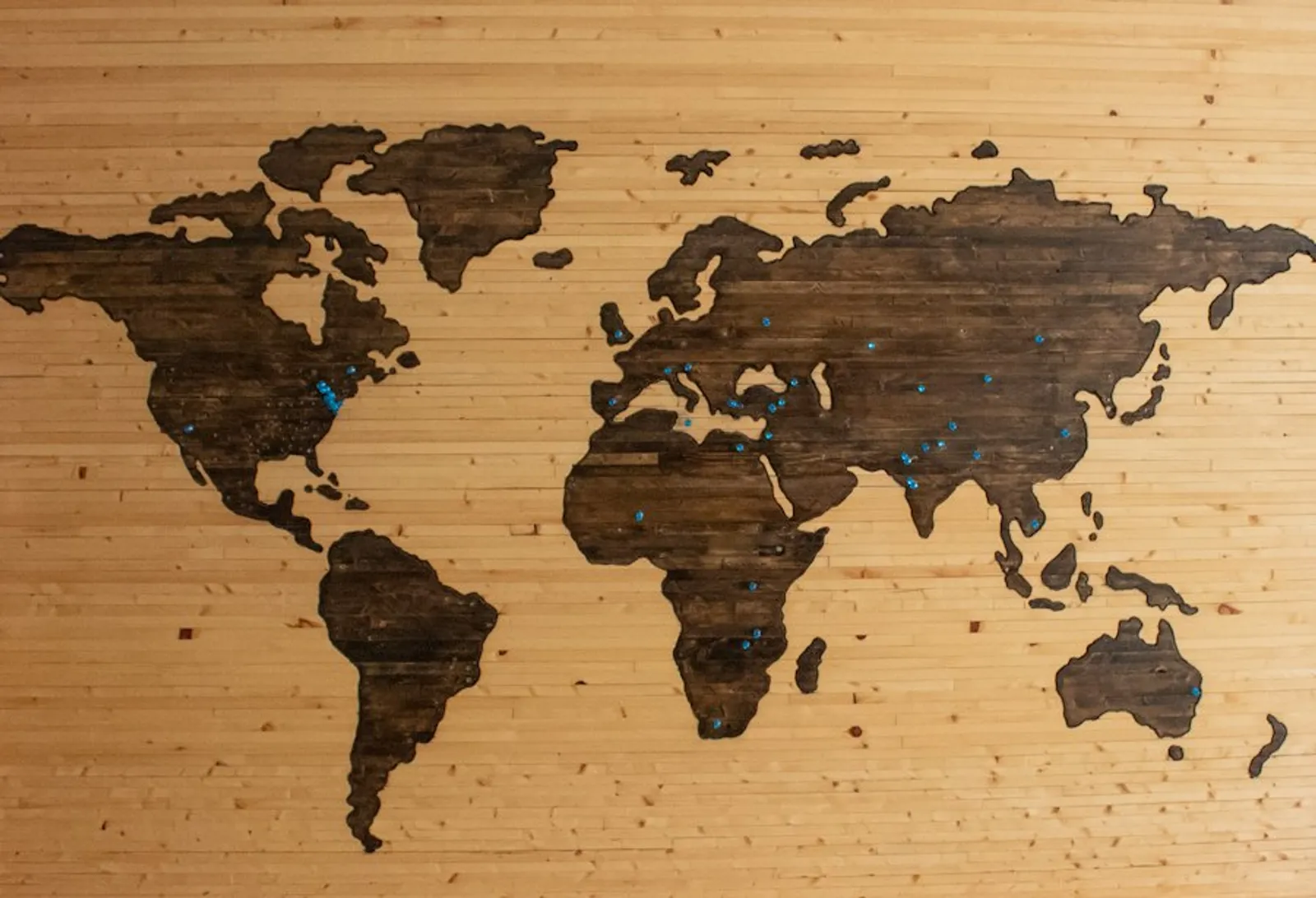
In a globalised world, limiting your website to a single language means closing yourself off from markets you could already be serving. Here is what to consider before taking the leap.
It is not translating, it is adapting
A word-for-word translation sounds artificial and can convey exactly the opposite of what you are after: a lack of seriousness. Human translation, supported by AI tools to speed up the process, remains the standard for brand communication.
The impact on international SEO
Each language is, in practice, an independent positioning opportunity. Implemented correctly (clear URLs per language, hreflang tags), a multilingual site does not compete with itself — it adds search engine traffic in each market.
Who it makes sense for now
Not every small business needs four languages from day one. It makes sense when there is already evidence of real interest from another market: enquiries, organic traffic or existing customers in that language.
In short
A well-made multilingual site is not an image expense: it is a direct extension of your business’s reach.